Saudi Arabia from the UAE: Tourist eVisa, Umrah, and Which One You Need
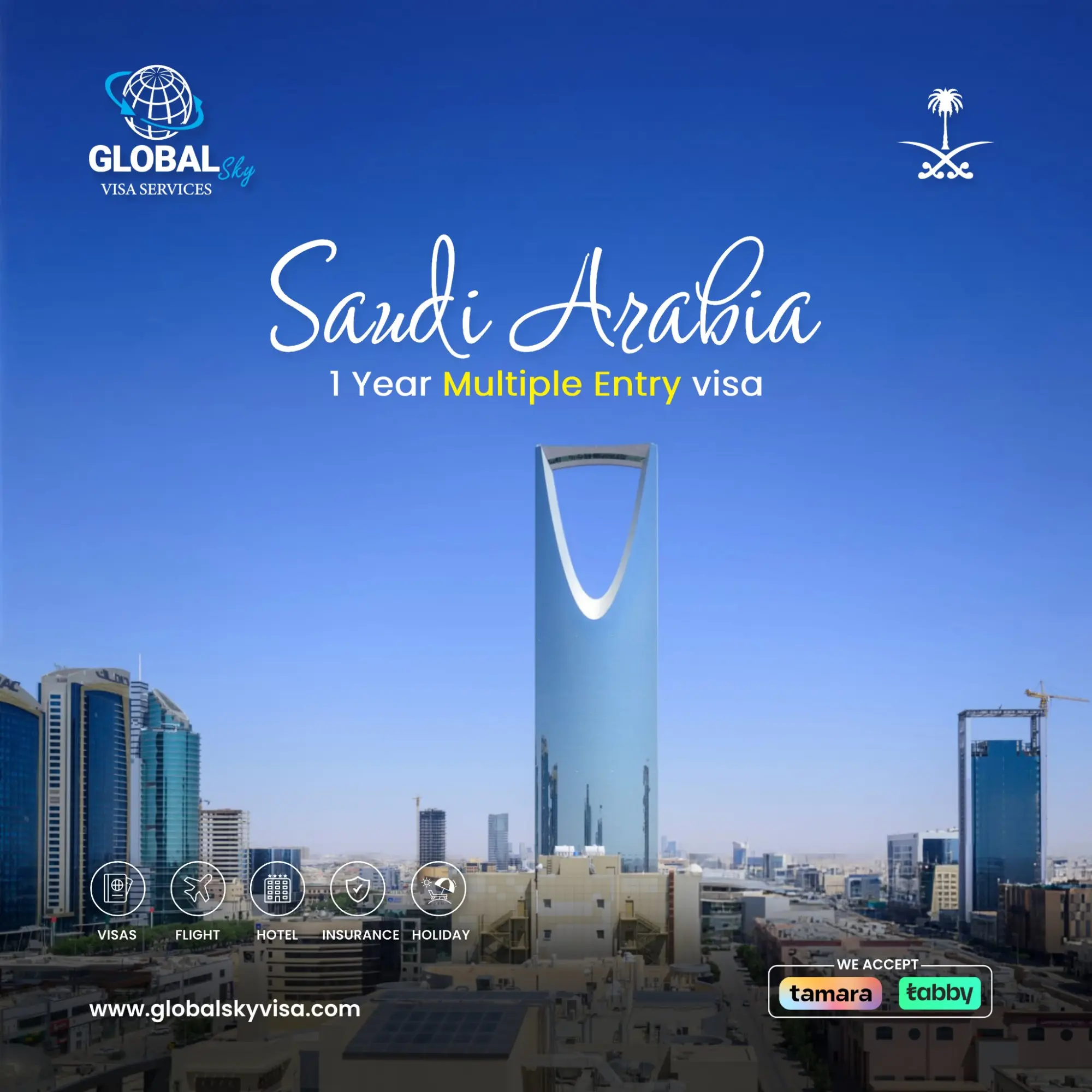
Saudi Arabia has changed enormously as a destination in a short space of time, and the visa rules changed with it. Most of the confusion people arrive with is out-of-date information from a friend who travelled a few years ago. Here is the current shape of it, and how to work out which route is your...
Saudi Arabia has changed enormously as a destination in a short space of time, and the visa rules changed with it. Most of the confusion people arrive with is out-of-date information from a friend who travelled a few years ago. Here is the current shape of it, and how to work out which route is yours.
Start by naming the trip
Tourism, Umrah, visiting family, or business — these are genuinely different applications with different requirements, and the fastest way to waste a week is to start the wrong one. A leisure trip to AlUla is a tourist visa. A work meeting in Riyadh is a business visit. Umrah has its own route, and pilgrimage during the Hajj season is handled separately again through the official quota system.
The tourist eVisa is the common route
For most eligible travellers the tourist visa is applied for online and issued as a multiple-entry permit valid for a period, with a cap on how long each individual stay can run. It bundles mandatory medical insurance into the application. Eligibility depends on your passport nationality and, for some, on holding a valid residence or visa from certain countries — so check the current eligibility list against your own passport before you plan anything.
Importantly, the tourist visa now permits Umrah for those who wish to perform it outside the Hajj season. That is the single biggest change from the older rules, and the one people most often have not heard.
If you are travelling for Umrah
Plan around the crowds more than the paperwork. Booking accommodation near the Haram, arranging transport between Makkah and Madinah, and timing your visit away from Ramadan peaks will shape the trip far more than the visa step will. Women travelling without a male guardian is permitted under current rules; the age thresholds and conditions have moved over time, so verify the position at the time you travel.
Driving in from the UAE
The land border is a genuinely good option, and it comes with its own requirements: vehicle insurance valid for Saudi Arabia, an export or exit permit for the car if it is not registered in your name, and your own documentation in order. Border crossings can be slow at peak times and around holidays. Leave early, carry water, and do not plan a tight connection on the other side.
Practical things worth knowing before you land
Dress codes are more relaxed than the reputation suggests but still expect modest clothing in public. Non-Muslims cannot enter Makkah, and parts of Madinah are restricted — plan routes accordingly if you are travelling in a mixed group. Alcohol is prohibited. Most payments work by card, but keep some cash for smaller towns and taxis.
Overstaying is taken seriously
Track the permitted stay length on your specific visa, not the visa's overall validity — they are two different numbers and mixing them up is the most common way people end up in trouble. Fines are significant and can affect future entry.
If you are not sure which route fits your trip, that is a five-minute conversation rather than an afternoon of reading — see our Saudi Arabia service or ask us directly.